
Italy spent years talking about a digital nomad visa while Spain and Portugal launched theirs. In 2024 it finally arrived, and the wait turned out to be worth it: Italy's income requirement is lower than either neighbor, which makes it, on paper, the most accessible nomad visa in Southern Europe.
The rest of the pitch needs no introduction. Italy has the best food in Europe and arguably the world, the deepest concentration of art and history anywhere, a train network that puts the Alps, the Adriatic and Sicily within a day of each other, and a genuine city for every temperament: Rome's grandeur, Milan's pace, Florence's beauty, Naples's chaos, Turin's understatement, Venice's strangeness.
This guide covers the visa, the cities, what it really costs, and how to base yourself, for 2026. For the regions in depth, it links through to our dedicated guides to North Italy and South Italy and Sicily.
🌱 Travel health insurance for Italy
🎯 Italy at a glance
| 🛂 Visa | 90 days visa-free in Schengen for US, UK, Canada, Australia and more |
| 💻 Nomad visa | Yes, since 2024. ~€28,000/year income, lower than Spain or Portugal |
| 🎓 The catch | "Highly skilled": a degree matching your field, or 3 years' experience |
| 💶 Monthly budget | €1,300 in Naples to €2,800 in Milan |
| 🌤 Best time | April–June and September–October. Avoid the July–August heat |
| 🏙 Top cities | Rome, Milan, Florence, Turin, Naples |
| 🛜 Internet | Good fiber in cities; slower in historic buildings and rural areas |
| 🗣 Language | Italian. English is thinner than in Spain or Portugal, learn some |
| 💱 Currency | Euro (€) |
🇮🇹 Entry requirements for Italy
- Visa-free entry: citizens of the US, UK, Canada, Australia, New Zealand and many other countries enter the Schengen Area, including Italy, visa-free for up to 90 days in any 180-day period. EU/EEA citizens have full free-movement rights.
- Digital nomad visa: for a longer stay working remotely, Italy's digital nomad visa gives one year, renewable. See the next section.
- Schengen visa: nationalities that are not visa-exempt need a Schengen visa for tourist stays.
- Health insurance: travel cover meeting the Schengen minimum of €30,000 in emergency medical coverage is required for entry, and €30,000 valid-in-Italy cover is a condition of the nomad visa.
- Passport validity: valid for at least three months beyond your intended departure, issued within the last ten years.
💻 Italy's digital nomad visa
Italy's digital nomad visa launched in 2024 (defined by Decree Law 79/2024), and its headline feature is the one that matters most to remote workers: the income bar is lower than Spain's or Portugal's.
- Income requirement: around €28,000 a year. The decree does not fix a euro figure; it sets the bar at three times the healthcare-exemption level, commonly shown as about €24,790, and consulates typically round up to €28,000. Confirm the exact figure with the consulate handling your application. For comparison, this is meaningfully below Spain (about €33,000) and far below Portugal (about €44,000).
- The "highly skilled" catch: this is the real filter. You must qualify as a highly skilled worker, meaning a university degree in a field matching your work, or at least three years of relevant experience in lieu of a degree, plus six months of prior remote-work experience. Most established remote workers qualify, but it rules out the genuinely entry-level.
- Duration: one year, renewable, with Schengen travel access.
- Who it is for: non-EU remote workers and freelancers working for employers or clients outside Italy. Passive income (rent, dividends, pensions) does not count toward the threshold.
- Health insurance: a policy with at least €30,000 coverage valid in Italy.
- Family: your spouse and children can join, and family members can work in Italy without a separate labor-market test.
- Fee and process: a €116 consular fee, a document-heavy application (degree certificates and contracts need sworn translations), an in-person consulate appointment, and one to three months' processing. Within eight days of arriving in Italy you apply for the residence permit (permesso di soggiorno).
- Tax: spend more than 183 days in a year and you become an Italian tax resident. Italy has some favorable regimes for new residents, so take cross-border advice before you commit.
For most nomads staying under three months, the 90-day visa-free Schengen entry is enough and no visa is needed. The digital nomad visa is for those who want a proper year-plus base in Italy.
 Sarah Kuhlemann
 Sarah Kuhlemann
✈️ How to get to Italy
- By air: Italy has major international airports at Rome (Fiumicino), Milan (Malpensa and Linate), Venice, Naples, Bologna, Florence, Turin and Catania, with budget carriers like Ryanair and easyJet connecting them cheaply across Europe.
- By train: superb connections from Austria, Switzerland, France and Germany. See our guides to Italy by train and Italy and Germany by train.
- By ferry: from Croatia, Greece and Albania to the Adriatic coast (for example Bari), and an overnight Grimaldi Lines route from Barcelona via Sardinia to Rome.
🗺 Where to base yourself
Italy gives you a genuine choice of very different cities. Here is the shortlist. For the regions in depth, our North Italy and South Italy and Sicily guides go further.
Rome is the obvious first base: the eternal city, walkable, warm, and endlessly rewarding, if chaotic and tourist-heavy in the center. Trastevere is the bohemian, cobblestoned nomad favorite; Pigneto the cheaper, artsy up-and-comer; Testaccio for food and local life; Prati for a quieter, elegant base near the Vatican.
Milan is Italy's business and design capital, faster, richer, more international and more expensive, the easiest city for work and networking. Brera is the central artistic quarter; Porta Romana and Isola are the better-value, well-connected, creative neighborhoods where much of the coworking sits.
Florence is the Renaissance city, small, beautiful and walkable, though pricey and busy. Santo Spirito in the Oltrarno is the bohemian nomad heart; Santa Croce and San Lorenzo put you near the center and the markets.
Turin is the underrated pick: elegant, affordable, less touristy, with grand boulevards and a real creative scene. San Salvario and Vanchiglia are the trendy, cafe-dense nomad neighborhoods; Quadrilatero Romano the historic center.
Naples is chaotic, cheap, intense and alive, the best food and the lowest rents of the big cities, for nomads who want energy over order. Chiaia is the elegant waterfront base; Vomero the calmer hilltop with views; the Centro Storico for full-throttle Neapolitan life.
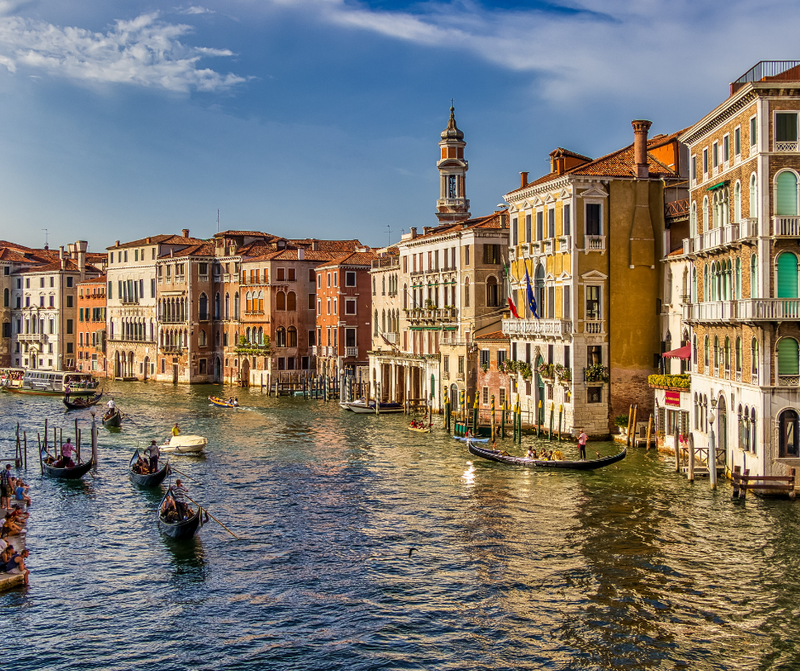
Venice is the wildcard, extraordinary but impractical long-term. If you do base here, Dorsoduro and Cannaregio are the quieter, more livable, more local neighborhoods away from the tourist crush.
Beyond the cities, Italy rewards slower bases: the lakes and Alpine towns of the north, the hill towns of Tuscany and Umbria, and the beach towns and islands of the south and Sicily. The regional guides cover these.
💶 How much does it cost?
| Per month | Naples / South | Turin | Rome / Florence | Milan |
|---|---|---|---|---|
| Room (shared flat) | €400–600 | €450–650 | €600–900 | €700–1,000 |
| 1-bedroom apartment | €650–950 | €700–1,000 | €1,100–1,600 | €1,100–1,600 |
| Coworking | €150 | €120–180 | €150–365 | €200–300 |
| Food & the rest | €500–700 | €550–750 | €650–900 | €700–1,000 |
| Realistic total | €1,300–1,900 | €1,400–2,000 | €1,800–2,600 | €2,000–2,800 |
Italy is not the cheapest European base, but it spans a wide range: Naples and the south run 30 to 40 percent below Milan, and Turin is the value pick among the big northern cities. Rome and Florence sit in the middle-to-high band, Milan at the top. A proper espresso is around €1.20 standing at the bar, a plate of pasta out €8 to €14, and the food you cook from Italian markets is a genuine pleasure and cheap. Rents drop in Rome and Naples in July and August when locals leave the heat.
🧑🏻💻 Where to work from
Rome
- Famo Cose: welcoming, community-focused and central, memberships from €150/month. The nomad-friendly pick.
- O21 Rome (€365/month) and BSide Coworking are the polished, fuller-service options with meeting rooms and events.
Milan
- Talent Garden Milano in Brera: Italy's biggest coworking network, strong for tech and startups.
- YoRoom in Porta Romana: central, well-lit, with networking events, from €260/month.
Florence
- The Social Hub Florence: a hotel-coworking-coliving hybrid, a genuinely good all-in-one base for a nomad landing in the city, with desks, events and accommodation under one roof.
Turin
- Silos 93: central, well-connected, in the heart of the city.
- Turin's cafe scene in San Salvario and Vanchiglia is unusually laptop-friendly for Italy.
Naples
- Dialogue Place: a dedicated coworking space built for nomads, comfortable workstations and fast internet, around €150/month.
Venice
- Venice Coworking: the established central space, with flexible desks and meeting rooms, a real help in a city where working from cafes is hard.
A note on Italian cafes: unlike Southeast Asia or Latin America, Italian cafe culture is not built around laptops. Espresso is drunk quickly, often standing, and lingering for hours with a laptop is not the norm outside dedicated cafe-coworking spots. Budget for a coworking membership rather than planning to work from cafes.
👥 Finding the community
Italy's nomad community is smaller and more spread out than Spain's or Portugal's, but it is real and growing, especially since the visa launched. It concentrates in Milan (the most international and startup-driven), Rome (the largest overall), Florence (boosted by The Social Hub's built-in community), and increasingly Turin and Naples.
The coworking spaces are the way in, since most run events and many nomads there are new in town too. Beyond that, Italy runs heavily on local Facebook groups for each city (for rentals, events and meetups), and international-nomad meetups, language exchanges and aperitivo events are common in the bigger cities. Learning even basic Italian transforms daily life and the community here, more so than in Spain or Portugal where English goes further. For the general how-to, see our guide to making friends as a nomad.
Sarah Kuhlemann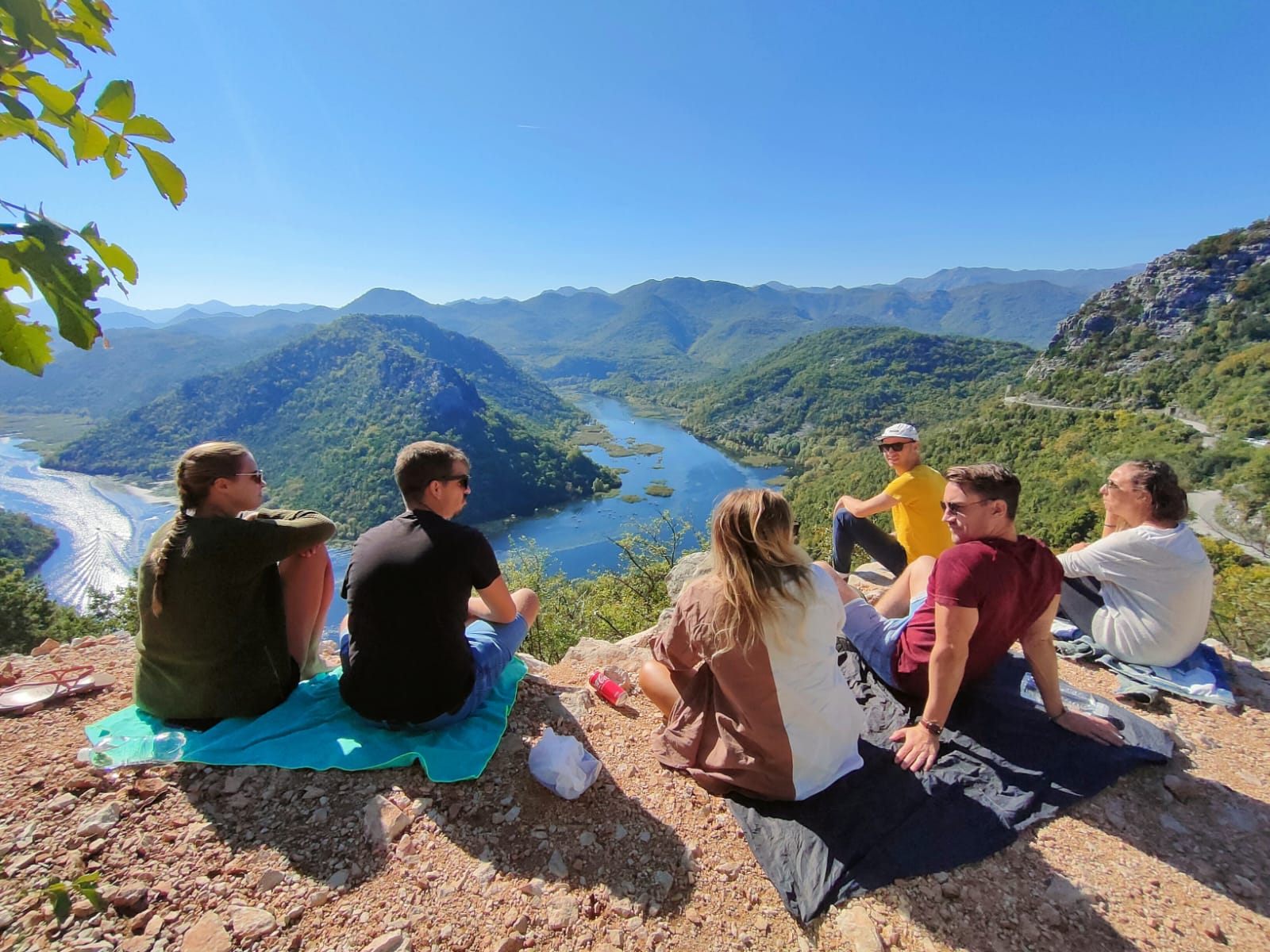 Sarah Kuhlemann
🛜 Internet and SIM cards
Italy's internet is good in the cities and variable in the countryside. Fiber is widespread in Milan, Rome, Turin, Bologna and the northern cities, with 100+ Mbps common, and coworking spaces are reliable. Older buildings in historic centers (Florence, Venice, central Rome) can have slower connections, so check before signing a lease, and rural and southern connections are more mixed.
TIM, Vodafone and WindTre are the main operators, with Iliad the cheap, popular challenger (generous data for around €8 to €10 a month). A prepaid SIM is easy to get with a passport or ID, and eSIMs are widely supported. For a stay of a few weeks, an EU-wide eSIM or a tourist SIM is simplest.
🌤 When to come
| J | F | M | A | M | J | J | A | S | O | N | D | |
|---|---|---|---|---|---|---|---|---|---|---|---|---|
| North (Milan, Turin, Venice) | ❄️ | ❄️ | ⛅ | ☀️ | ☀️ | ☀️ | 🥵 | 🥵 | ☀️ | ☀️ | 🌧 | ❄️ |
| Central (Rome, Florence) | ⛅ | ⛅ | ☀️ | ☀️ | ☀️ | 🥵 | 🥵 | 🥵 | ☀️ | ☀️ | ⛅ | ⛅ |
| South & Sicily (Naples, Palermo) | ⛅ | ⛅ | ☀️ | ☀️ | ☀️ | ☀️ | 🥵 | 🥵 | ☀️ | ☀️ | ⛅ | ⛅ |
☀️ best · ⛅ mixed · 🌧 wet · 🥵 hot · ❄️ cold
Spring (April to June) and autumn (September to October) are the sweet spots nationwide: warm, sunny and less crowded, with the shoulder-season prices that come with it. July and August are hot everywhere and genuinely sweltering in Rome, Florence and the south, when many Italians flee the cities (which, upside, makes summer rents in Rome and Naples cheaper). Winter is cold and sometimes foggy in the north and mild in the south, and it is low season, quiet and cheap, if you do not mind the shorter days. Note that much of Italy effectively closes for Ferragosto around 15 August.
🚌 Getting around
- Trains are the joy of travel in Italy: the high-speed Frecciarossa and Italo services link Milan, Rome, Florence, Naples and Turin at up to 300 km/h, often faster and nicer than flying. Book ahead for the cheap fares. Regional trains are cheaper and slower.
- City transport: Rome, Milan, Naples and Turin have metros; every city has extensive buses and trams. Rome's Roma Pass and Milan's ATM passes bundle transport with attractions or unlimited travel. Buy and validate tickets before boarding.
- Ride-hailing: Uber operates in a limited, premium form in the big cities (Uber Black rather than cheap UberX); the local app FreeNow is more widely useful for taxis. Otherwise use official taxi ranks.
- Ferries: connect the mainland to Sicily, Sardinia, Capri and the smaller islands.
- Driving: not needed or wanted in the cities (many have restricted ZTL zones with fines for driving in), but a car unlocks Tuscany, the lakes and the rural south. Bring an International Driving Permit.
🚧 Safety and health
- General safety: Italy is a safe country with low violent crime. The realistic risk is petty theft, pickpocketing and bag-snatching in tourist-dense areas and on public transport, especially in Rome, Milan and Naples, and around major train stations (Roma Termini, Milano Centrale, Napoli Centrale).
- Practical rules: keep your phone and wallet secure in crowds and on the metro, be alert around Termini and on tourist buses, and use official taxis. Naples has a livelier reputation but tourists are rarely the target of anything worse than pickpocketing.
- Scams: the usual tourist-city stuff, inflated "no menu" restaurant bills near attractions, friendship-bracelet and petition hustlers, so check prices and keep walking.
- Healthcare: excellent. Italy has a strong public health system and good private hospitals; EU citizens use the EHIC/GHIC card, and everyone should carry insurance. Pharmacies (farmacia) are widespread and helpful for minor issues.
- Tap water: safe to drink everywhere, including Rome's famous street fountains (nasoni).
- Heat: summer heat in Rome, Florence and the south is serious. Plan around midday in July and August.
- Emergency number: 112 (the EU-wide number).
Staying active
- Hiking: the Dolomites and the Alps in the north, the Cinque Terre coastal paths, and Vesuvius and the Amalfi trails in the south.
- Cycling: Tuscany's hills, the Po valley, and bike-friendly Turin and Bologna.
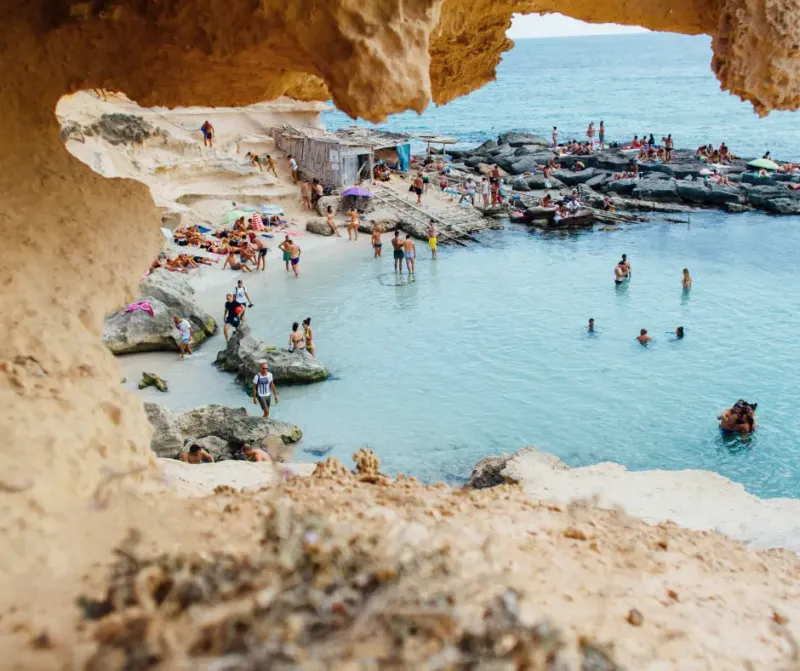
- Swimming and the sea: the beaches of Sardinia, Sicily, Puglia and the Amalfi coast, warmest June to September.
- Skiing: the Alps and Dolomites in winter, some of the best in Europe.
🎖 Must see
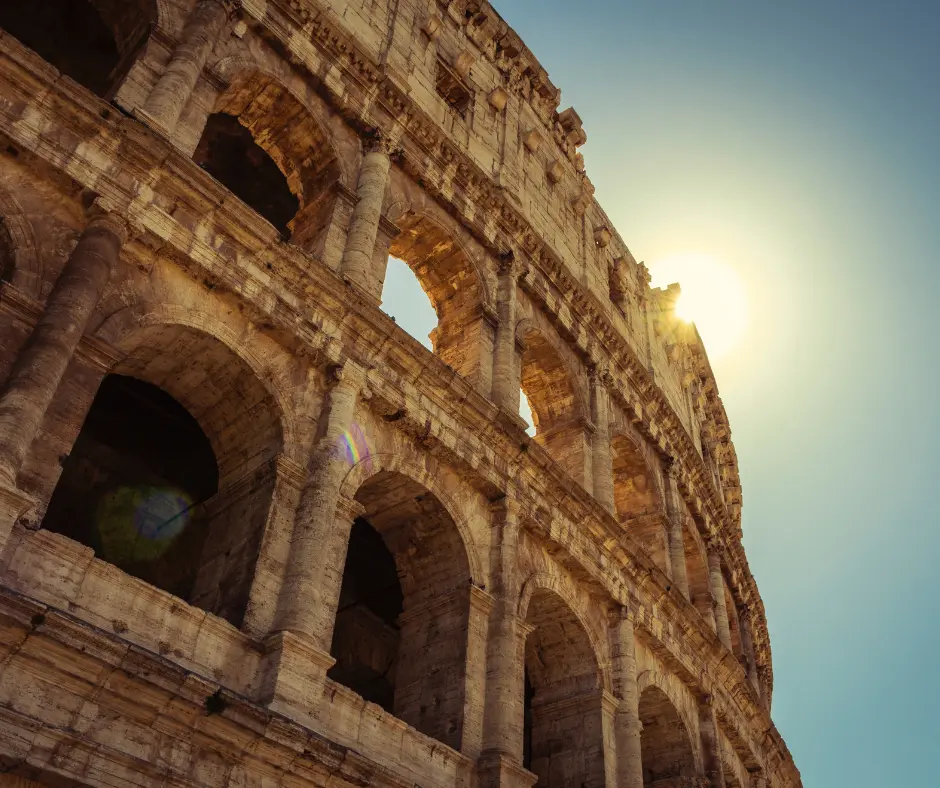
- Rome: the Colosseum, the Forum, the Vatican, and simply walking the center at night.
- Florence and Tuscany: the Uffizi, the Duomo, and the wine hills of Chianti and Val d'Orcia.
- Venice: the canals, and the quieter islands of Burano and Murano.
- The Amalfi Coast and Naples: Pompeii, the coast road, and the best pizza on earth in its birthplace.
- Sicily: Mount Etna, the baroque towns, Ortigia in Syracuse, and Greek temples at Agrigento.
- The northern lakes: Como, Garda and Maggiore, and the Dolomites above them.
❓ Frequently asked questions
Does Italy have a digital nomad visa?
Yes, launched in 2024. It gives one renewable year, needs about €28,000 a year in income (lower than Spain or Portugal) and a "highly skilled" qualification (a relevant degree or three years' experience), plus €30,000 insurance and a €116 fee. For stays under 90 days, visa-exempt nationals need no visa at all.
Which Italian city is best for digital nomads?
Milan for work, networking and internationalism; Rome for the biggest all-round scene; Florence for beauty and a ready-made community via The Social Hub; Turin for value; Naples for energy and low costs. Most first-timers pick Rome or Milan.
How much does it cost to live in Italy?
From around €1,300 to €1,900 a month in Naples and the south, up to €2,000 to €2,800 in Milan, for a comfortable single-nomad setup. Turin is the value pick among the northern cities.
Is the internet good enough to work?
In the cities, yes, with widespread fiber and reliable coworking. Historic-center buildings and rural areas can be slower, so check any apartment before committing.
When is the best time to go?
April to June and September to October are ideal nationwide. Avoid July and August for the heat (and the August shutdown), unless you want cheaper summer rents in Rome and Naples.
Do I need to speak Italian?
More than in Spain or Portugal. English is common in tourist and business settings but thinner in daily life, especially in the south. Even basic Italian noticeably improves both admin and community.
🎯 Conclusion
Italy took its time with a digital nomad visa, and then quietly built one of the best in Europe: a lower income bar than Spain or Portugal, one renewable year, Schengen access, and family who can work. Wrap that around the food, the trains, the art and a city for every mood, and it is hard to argue with.
Start in Rome or Milan if it is your first time, Turin or Naples if you want value, Florence if you want beauty and instant community. Check whether you clear the highly-skilled bar, come in spring or autumn, budget for a coworking membership rather than cafes, and learn a little Italian. Do that and Italy rewards you like nowhere else in Europe.
Sarah Kuhlemann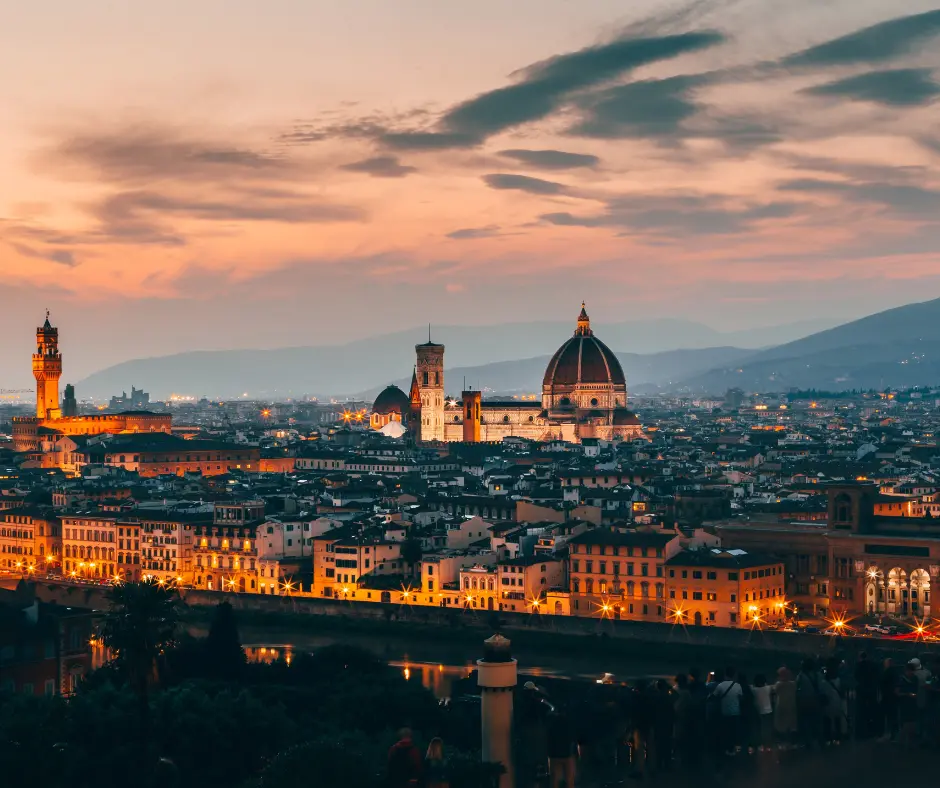 Sarah Kuhlemann