

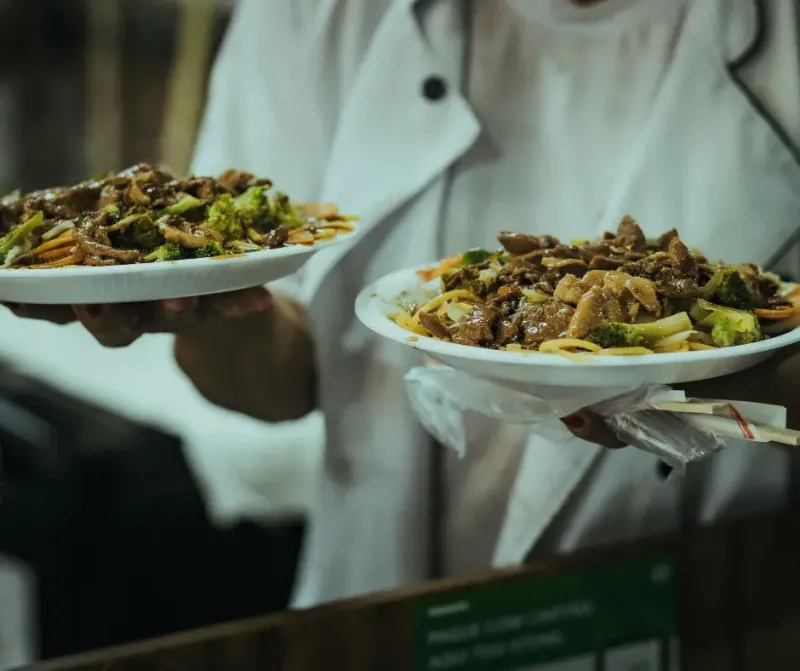
Eating well is the health habit nomad life sabotages first. You lose your kitchen, your supermarket, and your routines in one flight, and the path of least resistance becomes eating out three times a day in a cuisine you cannot read. It catches up with everyone, in energy first and mood second.
The good news is that eating well on the road is a skills problem, not a willpower problem. This article covers the habits that work without a real kitchen, a handful of science-backed upgrades that cost nothing, what to limit, and what food genuinely does to your mental health.
🥦 About the research in this article: The nutrition science here comes from Ray Teoh from the Genki team. Ray reads the studies so you don't have to, and every claim links to its source: Harvard, Cleveland Clinic, JAMA, and friends.
🌱 Travel health insurance for digital nomads
🛒 How to eat well anywhere
- Shop where the locals shop. Farmers markets and fresh-produce markets put you in control of what you eat and cost less than any restaurant. Bonus: asking a vendor what to do with an unfamiliar vegetable is a better cultural experience than most walking tours.
- Do not skip the freezer aisle. Frozen fruit and vegetables are nutritionally equal to fresh, sometimes better, because they are frozen at peak ripeness while fresh produce loses vitamins sitting in your fridge. Cheaper, and it survives your travel schedule.
- Cook simple, even in a kitchenette. One pan and a market haul beat most menus. If your accommodation has a blender, smoothies solve breakfast (mine: pineapple, cucumber, spinach, celery, coconut milk, a splash of lime).
- Have a restaurant strategy. When you do eat out, and you will, build the meal around vegetables and a protein, and treat the refined-carb side as the extra rather than the base.
- Default snacks: nuts and dried fruit. Protein, fiber, healthy fats, minerals, and they survive any backpack. Better than anything the airport sells.
- Water first. Hydration affects energy, mood, and appetite. If plain water bores you, lime, cucumber, or lemongrass fix that for free.
🥬 Small upgrades the science supports
None of these require a diet. They are adjustments to food you already eat.
- Eat the meal in order. Vegetables and protein first, carbs last. Clinical research found blood sugar rises far less over the following hours when the same meal is eaten in this order, which means steadier energy through your afternoon calls. It works at every hotel buffet.
- Pair what you eat. Some nutrients need company: vitamin C helps your body absorb plant iron (lentils or spinach with peppers or citrus), fat unlocks the vitamins in colorful vegetables (salad with olive oil, not fat-free dressing), and tomatoes release more lycopene cooked in oil than raw.
- Raw is not automatically better. Cooking unlocks some nutrients and destroys others: cooked carrots and tomatoes deliver more, raw spinach less than cooked. A mix of both wins.
- Feed your gut from both ends. Fermented foods (yogurt, kefir, kimchi, sauerkraut) add gut bacteria, fiber (beans, oats, vegetables) feeds the ones you have. A study found that adding fermented foods increased gut bacteria diversity and lowered inflammation markers. Pair one of each in a meal.
- Swap half the rice for beans or lentils in one meal a day. Legumes measurably blunt the blood sugar spike, add protein, and exist deliciously in nearly every cuisine you will travel through.
- Match the oil to the heat. Olive oil for dressings and gentle cooking, avocado oil or ghee when the pan gets hot. Every oil has a smoke point where it starts breaking down.
🍩 What to limit
The pattern behind almost every "food to avoid" list is the same: ultra-processed food. More than half the average diet in the US and UK is now ultra-processed, and a large study in JAMA Internal Medicine linked every 10 percent increase in ultra-processed intake to a 14 percent higher risk of dying from any cause. You cannot avoid it completely, especially on the road. You can shrink it.
- Juice is not fruit. The fiber, the best part, stays in the press. Whole fruit fills you, juice spikes you.
- Refined white carbs (white toast, which I maintain tastes like toilet paper, white rice, pastries as meals) give you an energy spike and a crash. Whole-grain versions of the same things do not.
- "Light" and "low-fat" labels deserve suspicion. When fat comes out, sugar or refined starch usually goes in to keep the taste.
- Caffeine and alcohol both tax your sleep, and your sleep taxes everything else. The details are in the sleep guide. No judgment on the evening glass of wine, just know the trade.
A good rule that needs no label reading: the closer food looks to how it grew, the better. Market vegetables, fruit, nuts, eggs, fish. If the ingredient list is longer than three lines, in any language, that tells you enough.
🧠 What food does to your mood
Your gut and your brain are in constant conversation through the vagus nerve, trading neurotransmitters like serotonin, which is why Harvard calls the gut the second brain. The connection runs both ways: what you eat shapes your mood, and your stress shapes how your body handles food, raising blood sugar and appetite through cortisol whether or not any actual emergency exists.
The food side of the equation, per the research: plant-forward diets appear protective against depression, and omega-3 fatty acids, which your body cannot produce, support the brain cells doing the feeling. Cold-water fish (salmon, mackerel, sardines), walnuts, flaxseed, and chia are the classic sources, and vitamin D helps the serotonin production along.
None of this makes food a therapy replacement. If your mood has been low for a long time, food is a support, and talking to a professional is the treatment. Genki Native Premium covers mental health care, including talk therapy and psychiatric visits, subject to a 6-month waiting period and prior approval.
📚 Book tips
Our team's favorite resources on food and the mind:
- This Is Your Brain on Food by Uma Naidoo
- The Everyday Ayurveda Cookbook by Kate O'Donnell & Cara Brostrom
- Willpower by Roy F. Baumeister & John Tierney
- Reasons to Stay Alive by Matt Haig
- Podcast: Optimal Living Daily by Justin Malik
❓ Frequently asked questions
How do I eat healthy while traveling full time?
Make markets your supermarket, cook simple meals when you have any kitchen at all, carry nuts as your default snack, and build restaurant meals around vegetables and protein. The goal is not perfection, it is shrinking the share of your meals that come ultra-processed.
What should I eat for better energy through the workday?
Steady blood sugar is the lever: eat vegetables and protein before the carbs in a meal, swap some refined carbs for beans or lentils, and keep whole fruit instead of juice. The spike-and-crash cycle is what most people call an energy problem.
Can food really affect my mental health?
Yes, the gut-brain connection is well established, and plant-forward, omega-3-rich eating patterns are associated with lower depression risk. Food is a real factor and a support, not a substitute for professional help when your mood has been low for a long time.
Is frozen food less healthy than fresh?
No. Frozen fruit and vegetables are frozen at peak ripeness and are nutritionally equal to fresh, sometimes better, since fresh produce loses vitamins during storage. For a nomad kitchen, the freezer aisle is a legitimate strategy.
 Sarah Kuhlemann
 Sarah Kuhlemann
 Sarah Kuhlemann