
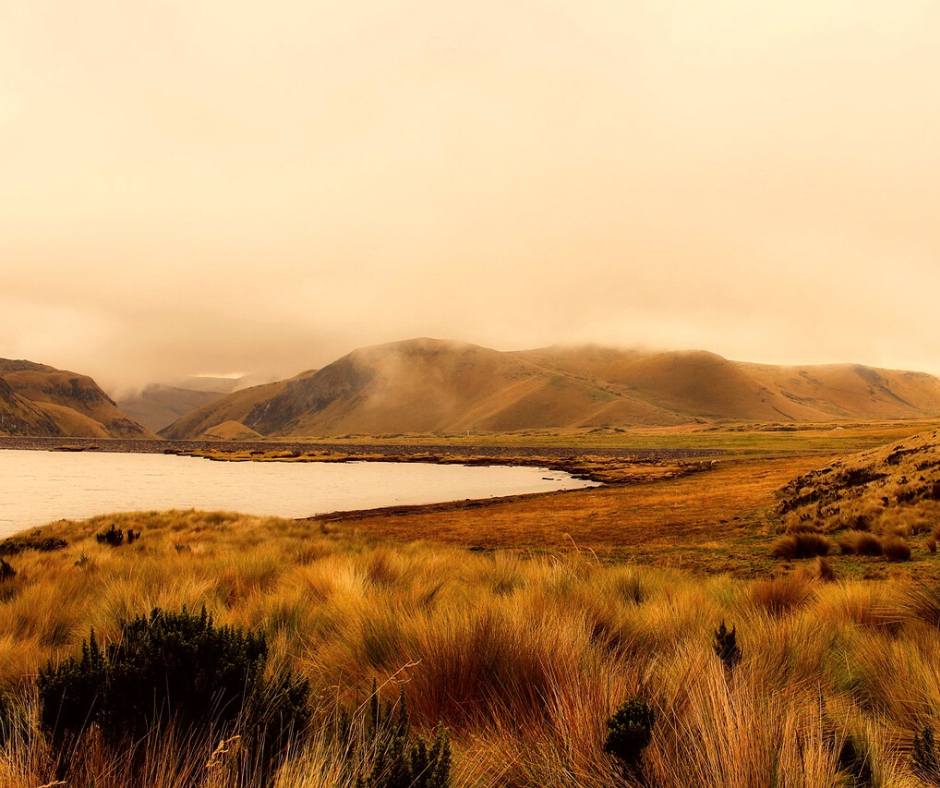
Did you know that Quito is not just the second-highest capital in the world but also just 1 km away from the Equator? You can stand in the northern hemisphere and step one foot in the southern hemisphere. But that is not all there is to Ecuador's superlatives. The summit of Mount Chimborazo is the closest point on Earth you can be to the sun.
And then there are the impressive Galápagos Islands, Amazonian rainforests, astonishing volcanoes, and well-preserved historic towns, such as Quito's center, which became a UNESCO World Heritage Site, along with Krakow in Poland, back in 1978. Ecuador has been voted expats' favorite country for the past two years due to its low cost of living and high quality of life.
🌱 Travel health insurance for Ecuador
🇪🇨 Entry requirements
- Visa: Most nationalities can enter Ecuador visa-free for up to 90 days as tourists, extendable once for another 90 days. Citizens of a small number of countries need to obtain a tourist visa in advance. Check the official list before you travel.
- Digital nomad visa: Ecuador's Visa Nómada grants 2 years of temporary residency, renewable once, open to all nationalities, with an income requirement of about $1,446 per month and $320 in total fees. See Long stay below for the full picture.
- Health insurance: Bring travel health insurance for tourist stays. For the digital nomad visa, insurance valid for the entire visa period is an official requirement.
✈️ How to get to Ecuador
- Plane: The main airports are Mariscal Sucre Airport in Quito (UIO) and José Joaquín de Olmedo International Airport in Guayaquil, both of which serve non-stop flights to/from the US, Amsterdam, Madrid, and other Latin American destinations. Cuenca Airport is a smaller airport with domestic flights only.
🏡 How to find a place
- Vrbo: If you are looking for short-term rentals, check out Vrbo. Here you can find furnished apartments in almost every Ecuadorian city for less money than Airbnb.
- Airbnb: Airbnb has a huge range of furnished houses and apartments for all lifestyles and budgets.
- Facebook groups: for mid-term rentals in Cuenca and on the coast, local Facebook groups (for example "Cuenca Ecuador Expats" or the Olón and Montañita rental groups) list furnished places that never reach Airbnb, usually at local prices.
🚌 Public transport
- Metro (Quito): Quito opened its first metro line in December 2023, running 15 stations over 22.5 km from Quitumbe in the south to El Labrador in the north. It is the fastest way across the city, and at 2,800 meters it is the highest underground metro in the world. A ride costs $0.45.
- Bus: Getting around by bus is cheap, and buses go everywhere. In Quito, the Trolebús, Ecovía, and Metrobús lines run on dedicated lanes, and a ride costs $0.35. Most regular buses show handwritten destination signs on the windshield, and you flag them down to stop. Keep an eye on your belongings. Pickpocketing happens on crowded lines.
- Taxi: Registered taxis are yellow with orange license plates. In big cities, order taxis via an app or by phone rather than hailing them on the street.
- Uber: Uber operates in several Ecuadorian cities in a legal gray zone. It works, but app-based taxi services using registered drivers are the cleaner option.
🏘 Where to stay in Quito
- La Floresta: Quito's creative district, full of cafés, galleries, street art, and restaurants, walkable and central. The default recommendation for nomads who want city life. Furnished one-bedroom apartments run roughly $450 to $700 per month.
- La Carolina and González Suárez: Modern apartments around the city's biggest park (La Carolina) and along the ridge with skyline views (González Suárez). Comfortable, safe, and close to coworking. Roughly $500 to $800 per month.
- Cumbayá: A valley suburb 20 minutes east of the city, noticeably warmer than Quito proper, with newer housing, malls, and a large expat community. Great for longer stays and families, less great if you want to live car-free.
Altitude note: Quito sits at 2,850 meters. Give yourself a few slow days on arrival before judging your energy levels.
🧑🏻💻 Where to work from in Quito
Coworking spaces
- Impaqto: With 2 locations in Quito, La Carolina and La Floresta, the coworking space is easy to reach and centrally accessible. In addition to high-speed internet and ergonomic interiors, Impaqto hosts events, networking sessions, and mentorship programs. Memberships start around $125 per month.
- Playhouse: Ecuador's first international coliving and coworking space, based in La Floresta, with coworking desks, private rooms, dorms, and a garden that hosts social events all year, from movie nights to live music. A good choice if you want community built in.
Coffee shops
- Café Galletti: You can find the small family business at 2 central locations in Quito. The roastery combines New York café style with Ecuadorian coffee quality, offering coffee lovers authentic enjoyment. In the midst of a cozy ambiance, there are delicious cakes and stable wifi, too.
- Coffee Factory: Another great place for exploring Ecuadorian coffee is the Coffee Factory, located right next to Parque La Carolina. Each table has a USB charging port, and the Wi-Fi is decent.
🏘 Where to stay in Cuenca
Cuenca has become Ecuador's expat capital: the largest English-speaking expat community in the country (estimated at 5,000 to 10,000 people), a UNESCO World Heritage old town, spring-like weather year-round, and a nomad scene that is growing fast.
- El Centro: The central and historical district of Cuenca is a highly desirable location with colonial architecture, cobblestone streets, art galleries, and green spaces. Quiet, modern apartments are hard to find here, but it is worth the try. Furnished one bedrooms run roughly $350 to $600 per month.
- Ordoñez Lasso: The established expat corridor west of the center, with modern condo buildings, supermarkets, and easy bus connections. Practical and popular for first stays.
- The Tomebamba riverside: Quieter residential streets along the river, a pleasant walk from the center, with the university area nearby keeping the café scene alive.
 Sarah Kuhlemann
🧑🏻💻 Where to work from in Cuenca
Coworking spaces
- Coworking Cuenca: The pioneer of the local scene, building a digital nomad community since 2017 from its space by the Yanuncay river. Community lunches, programs tailored to nomads, and the most budget-friendly memberships in town.
- Impaqto Cuenca: The Cuenca outpost of Ecuador's biggest coworking network, with a big community, regular events, and workspaces overlooking the Río Tomebamba. Memberships start around $125 per month.
- La Ofi: The premium option, launched in 2022, with high-end desks, meeting rooms, call booths, and an audiovisual space for content creation.
Coffee shops
- Café de Ñucallacta: The centrally located café serves tasty bakery goods, burritos, and freshly made bagels. They have a wide range of vegan and vegetarian options. Wifi is offered, and digital nomads are welcome to work from here.
🏘 Where to stay in Olón
Olón has quietly become the coast's residential nomad favorite: a long swimmable beach, a malecón lined with restaurants and smoothie bars, no high rises, and a growing mix of remote workers, families, and long-term expats. Montañita's nightlife is ten minutes away when you want it, which is exactly why many people prefer to sleep in Olón.
- Near the malecón: Beach cottages and small apartment buildings steps from the water. Furnished rentals run roughly $400 to $800 per month.
- Town side of the highway: Simpler local housing at lower prices, a few minutes' walk to the beach.
- Toward La Entrada: Quieter stretches north of town for those who want space and sunsets over amenities.
🧑🏻💻 Where to work from in Olón
Honest expectations: there is no dedicated coworking space in Olón yet. The working setup that residents actually use:
- Home fiber plus mobile backup: Fiber connections are available in town and are the primary workspace for most nomads here. Keep a Claro or Movistar 4G data plan loaded as a backup in case of outages.
- Cafés: A handful of malecón cafés and restaurants have usable wifi and welcome laptops outside peak meal hours. Treat them as change-of-scenery spots rather than all-day offices.
- Montañita for infrastructure days: When you need guaranteed bandwidth for a heavy call day, the bus to Montañita takes ten minutes, and its hostels and work cafés are built for exactly that.
🏖 Ecuador's beach towns
Ecuador's Pacific coast, the Ruta del Sol, would not be complete without a mention of the towns beyond Olón. The best of them for nomads:
- Montañita: Ecuador's party and surf capital, built around hostels, surf schools, and nightlife that runs late. Great energy in small doses, and the coast's most reliable work infrastructure when you need it. Many nomads live in Olón and visit Montañita, rather than the other way around.
- Ayampe: A tiny eco village forty minutes north, all yoga studios, surf breaks, and juice bars, with a tight-knit community balancing locals and internationals. It has grown (and gentrified) noticeably, but it remains the quietest base on this list. No ATM in town. Bring cash.
- Puerto López: A working fishing town with a renovated malecón, the gateway to Machalilla National Park and Los Frailes beach, plus whale watching from June to September and boat trips to Isla de la Plata, the "poor man's Galápagos".
- Salinas: The resort city at the peninsula's tip, high rises, a marina, and full urban amenities. It is where Guayaquil goes on holiday, which means more comfort and less charm.
- Manta: Ecuador's third largest city and a major port, with hospitals, malls, an airport, and ocean view condos in districts like Barbasquillo. The practical choice if you want city infrastructure directly on the sea.
One honest note for the whole coast: the provinces of Manabí and Santa Elena currently carry a "reconsider travel" rating in the US travel advisory. Day-to-day life in the small beach towns is far calmer than that provincial rating suggests, but read the Safety entry below and check your own country's current advisory before committing to a long stay.
🚊 How to travel around Ecuador
- Plane: For travel between Quito, Guayaquil, and Cuenca, flying is currently the recommended option over long-distance buses. Domestic flights are short and affordable.
- Bus: The bus network operates between all major cities and fares stay low. Stick to daytime routes, especially in the highlands (Cuenca to Loja, Cuenca to Riobamba), and avoid overnight routes through coastal provinces. Prebooking is possible via Rome2Rio or at the bus terminals in Cuenca, Quito, and Guayaquil.
- Private car: You have several rental options, including Europcar, Hertz, and Sixt. Highland highways are decent, but mountain roads are narrow with steep drop-offs, so you should be a skilled, experienced driver and avoid night driving outside cities.
🎖 Must see
- Galápagos: You should not miss the beauty of the Galápagos Islands. The 18 islands form a unique ecosystem with a breathtaking variety of wildlife and natural beauty. LATAM and Avianca fly to Baltra and San Cristóbal from Quito (with a technical stop in Guayaquil) and Guayaquil, taking around 2 hours. Budget for the extras: the national park entrance fee is $200 for foreign adults ($100 for children under 12), plus a $20 transit control card.
- Colonial towns Quito and Cuenca: Ecuadorian towns are adorned with detailed colonial architecture, cozy cafés, and historic sites. The old towns of Cuenca and Quito are part of the UNESCO World Heritage and are worth a visit.
- Ingapirca: Ingapirca is one of the most famous Inca sites in Ecuador. The area includes a sun temple, ritual baths, tombs, and roads. The ruins are ideal for a day trip from Cuenca, around 2.5 hours by bus for a few dollars, or 1 hour by taxi for around $50.
- Mitad del Mundo: Not far from Quito, you can be at the center of the earth. In 1736, the French explorer Charles Marie de La Condamine determined the exact position of the equator here and built a landmark. At this point, you can stand on both hemispheres at the same time. By taxi, the drive from Quito is about 30 minutes and costs around $20.
- Loja: The southern highlands' music capital, essentially a smaller, cheaper, less discovered Cuenca, with university town energy and costs 20 to 30 percent lower. Worth a visit, and worth considering as a base if your Spanish is decent and you want highland life without the expat bubble.
- Cotacachi: A small Andean leather craft town two hours north of Quito near Otavalo, with a walkable center, a well-established expat community, and the Cuicocha crater lake next door. Combine it with Otavalo's famous Saturday market.
- Vilcabamba: The "valley of longevity" in the far south, a lush, slow-living village that has drawn wellness-minded expats for decades.
- Baños: The adventure capital on the Amazon's doorstep, with waterfalls, thermal baths, canyoning, and the famous swing at the end of the world.
💡 Good to know
- Internet: Fiber is widely available in cities, with 100+ Mbps connections common in Quito and Cuenca. Coverage thins out in remote areas and on parts of the coast, where a 4G backup plan is standard practice.
- SIM card: You can get a SIM card at the airport terminals or at local shops for a few dollars from the operators Claro, Movistar, or CNT.
- Cost of living: A comfortable solo setup runs roughly $800 to $1,400 per month depending on the city, with Cuenca and the coast at the lower end and Quito's expat districts at the upper end.
- Digital nomad community: Cuenca is the center of gravity, with the country's largest expat community and a fast-growing nomad scene. Quito has the strongest coworking infrastructure, and Olón leads the coast.
- Climate: Most parts of the country have tropical rainforest climates, except the southern regions, which have subtropical climates. The dry season is from June to September.
- Currency: The official currency of Ecuador is the US dollar.
- Safety: Ecuador's security situation changed after 2022, and the honest picture is regional. Violence linked to drug trafficking is concentrated heavily in coastal port areas, above all in Guayaquil and Esmeraldas, while the highland cities (Quito, Cuenca, Loja) have remained far calmer, and Cuenca ranks among the safest cities in the country. The US State Department currently rates Ecuador at Level 2 overall ("exercise increased caution", the same level as much of Western Europe), with parts of Guayaquil and the Esmeraldas region marked as no-go areas and the coastal provinces of Manabí and Santa Elena at "reconsider travel", even though daily life in small towns like Olón is much quieter than the provincial rating suggests. Practical rules: judge each city on its own record rather than national headlines, check your home country's current travel advisory before booking, avoid the 20 km zone along the Colombian border, use app-based taxis in the big cities, use ATMs inside banks or malls, and prefer flights over overnight buses between regions.
- Socket type: Type B.
- Tipping: Unlike in the USA, tipping is not a big part of Ecuadorian culture. It is not customary to tip for services such as taxi rides, haircuts, or budget meals. In restaurants with waiter service, a 10% tip is common.
🚧 What to avoid
- Street food right after arrival: Even if the Ecuadorian delicacies look so tasty, wait a few days for your stomach to adjust.
- Being alone outside in the dark: As in other cities, it is recommended to stick to busier areas and try to walk with at least 2 people when it is dark.
- Public transport during rush hour: Although public transportation in Ecuador is convenient and cheap, during rush hour it can become nerve-racking and time-consuming.
- Hailing taxis on the street in the big cities: Order by app or phone, or use hotel-affiliated taxis.
- Street-facing ATMs: Use machines inside banks or shopping centers, and carry only the cash you need for the day.
🚴🏻♀️ How to stay healthy
Stay active
- Quilotoa Loop: The volcano, at an altitude of 3,800 meters, collapsed 800 years ago and left a huge crater filled with turquoise-blue water. Hiking around the lake takes 4 to 5 hours. Quilotoa is located a 3-hour drive southwest of Quito. The easiest route by bus goes via Latacunga, with frequent departures from Quito's Quitumbe terminal for a few dollars, then a connecting bus to the crater. If you travel by bus, plan one overnight stay in Latacunga.
- Cajas National Park: Just 30 kilometers from Cuenca, a highland wonderland of more than 200 lakes at around 4,000 meters, with marked day hikes for every level. Buses from Cuenca's terminal take under an hour.
- Surf and swim on the Ruta del Sol: Olón's long beach suits all levels, Montañita has surf schools on every corner, and Ayampe's break is a local favorite. Between June and September, humpback whales pass close enough to watch from a boat out of Puerto López.
Health risks
- Water quality: Yes, you can drink tap water in Ecuador, but travelers are advised to drink bottled water due to fluctuating water quality and potential bacteria.
- Air quality: The air quality in Ecuador is good.
⚓️ Long stay
If you intend to stay longer in Ecuador, the Visa Nómada is one of the most accessible digital nomad visas in the world.
- Stay legally for 2 years, renewable once for up to 4 years total (compared to 90+90 days on a tourist entry)
- Open to citizens of every country
- Income requirement of about $1,446 per month, total government fees of $320
- Work remotely for foreign employers and clients while living in Ecuador
- Apply fully online, from abroad or from inside Ecuador
- Get required health insurance with Genki
Sarah Kuhlemann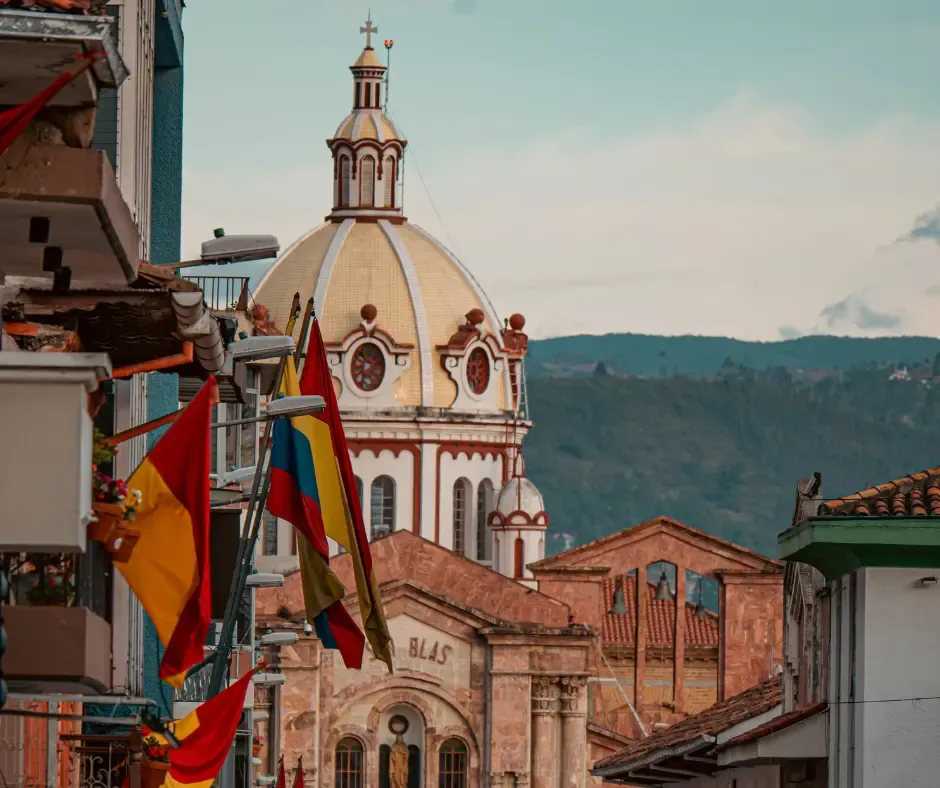
For a stay under 180 days, the tourist route still works: 90 days visa-free on arrival, extendable once for another 90 days for a small fee, with the process handled online.
Sarah Kuhlemann Sarah
Sarah