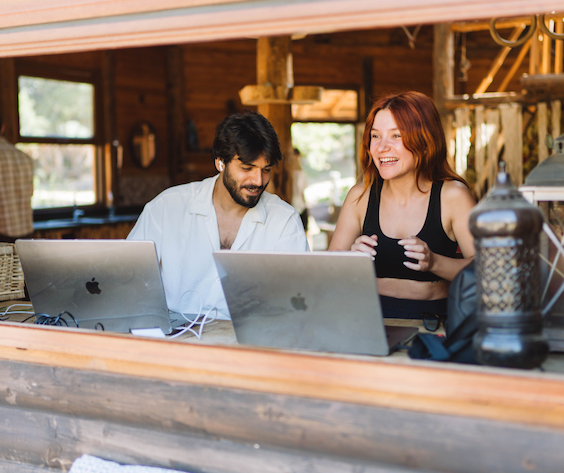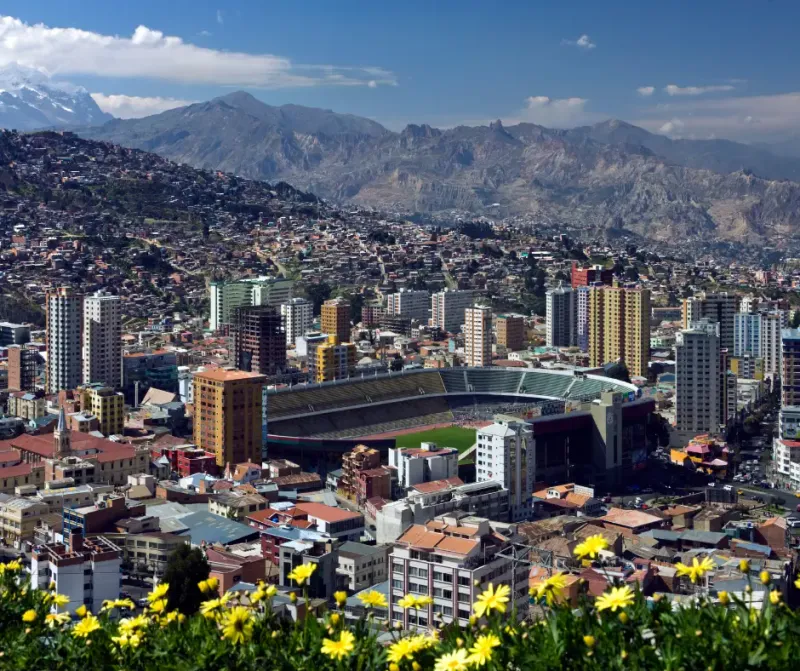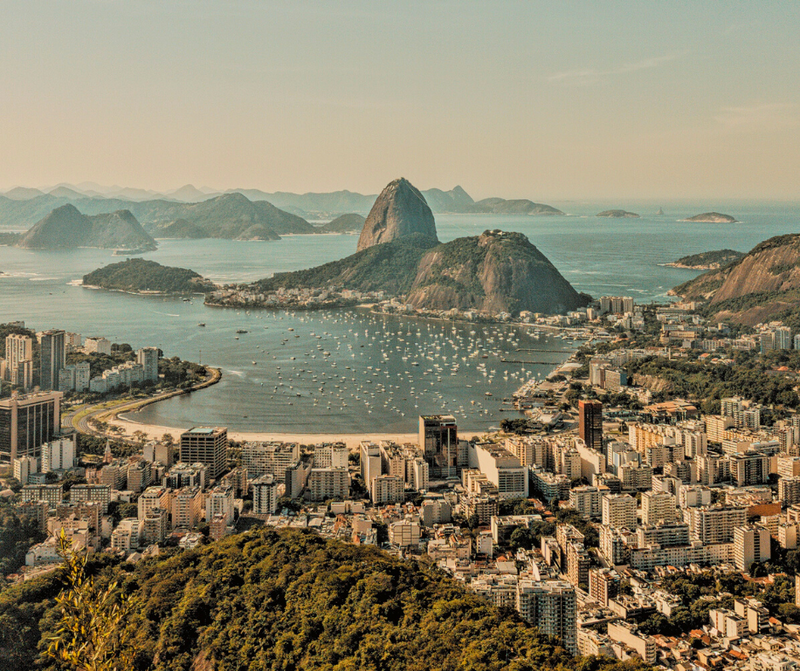

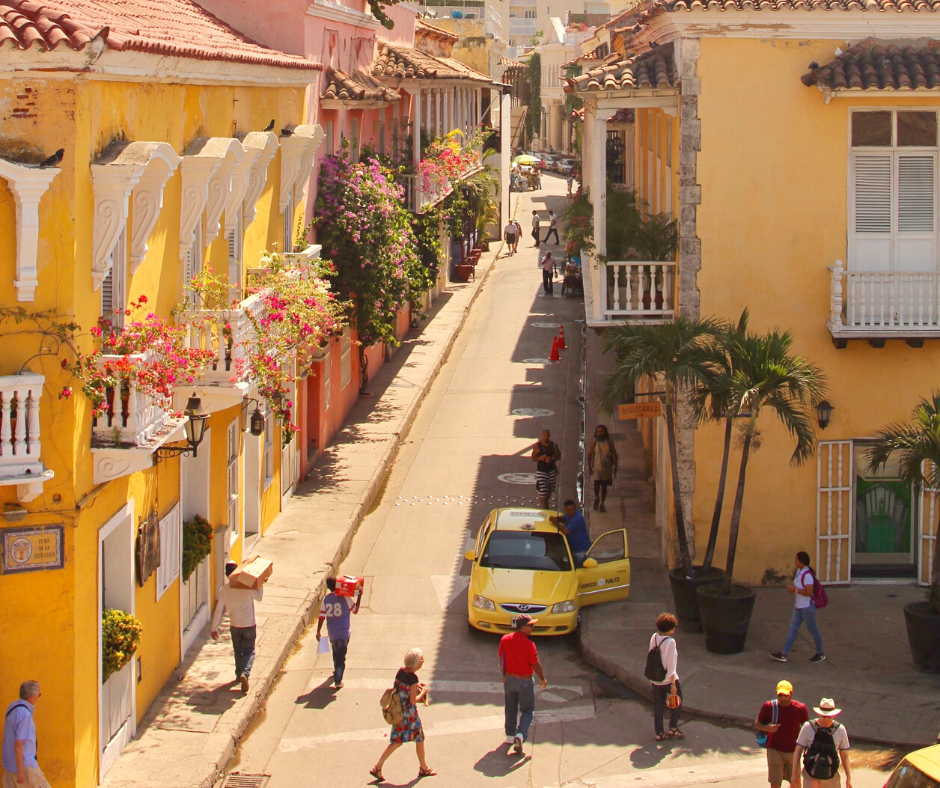
South America has long lagged behind Asia in terms of digital nomad hotspots. But amid the COVID-19 pandemic, South American countries such as Brazil, Mexico, and Colombia experienced a new boom in remote-working travelers.
Colombia is welcoming us with Caribbean beaches, exotic jungles, cozy hill towns, and cute villages. Additionally, Colombia's climate offers every taste: from the wet, tropical coastline to the milder weather of Medellín or Bucaramanga to a colder breeze in Bogotá, Colombia shows diversity in many aspects.
🌱 Travel health insurance for Colombia
Here's the full rewritten article, section by section, from Entry requirements to the end. All prices are in local currency (COP) with the Euro equivalent, no USD, no dashes, no semicolons.
🇨🇴 Entry requirements for Colombia
- Valid visa: Check the official Cancillería page to see if your nationality needs a visa to enter Colombia. Check here if you need a visa. Many nationalities can enter visa-free and work remotely for up to 90 days, extendable to 180 days per year, without needing the Digital Nomad Visa, as long as no Colombian company is paying you.
- Return or onward ticket: Sometimes requested.
 Neville Mehra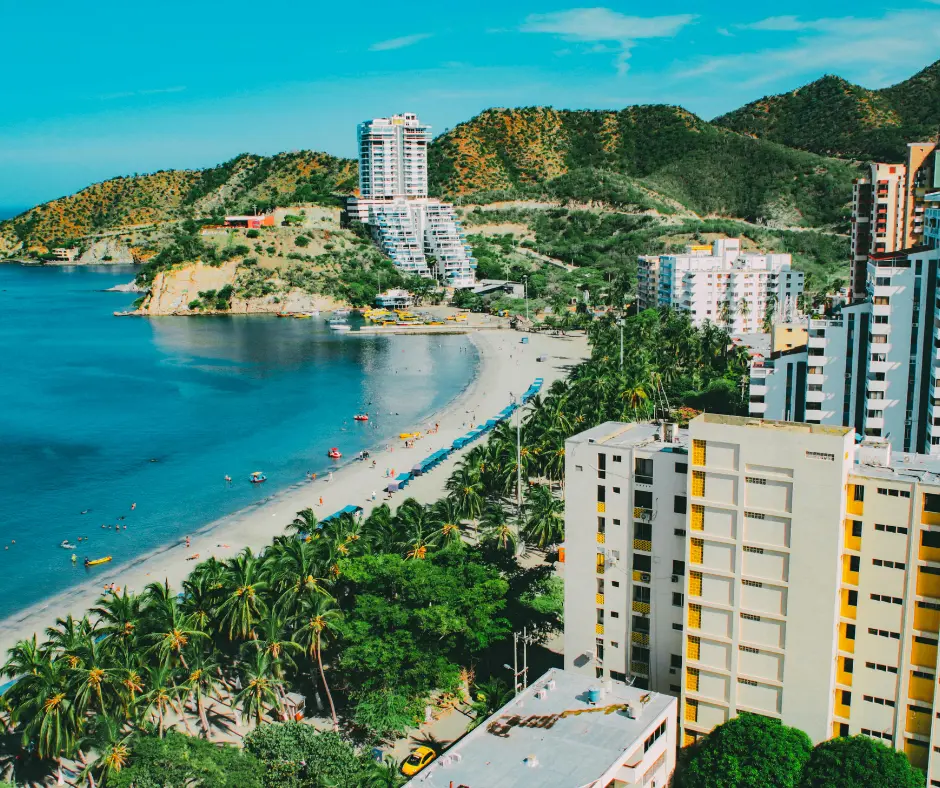
✈️ How to get to Colombia
- Plane: The main international airports in Colombia are El Dorado (BOG), serving Bogotá; Alfonso Bonilla Aragón (CLO), serving Cali; and José María Córdova (MDE), the closest airport to Medellín. You can find direct flights to and from Bogotá to Madrid, London, Amsterdam, Paris, and Frankfurt. Medellín serves direct flights to Portugal, the USA, and Mexico.
🏡 How to find a place
- Airbnb: Plenty of availability is available on Airbnb, and it is very common to book your stay through this platform. However, Airbnb fees have increased, making it a pricier option than local referrals.
- Hotels: For a short-term stay of up to a month, Agoda.com and Booking.com are good options. If you want to stay close to a specific location, check hotels on Google Maps.
- Lodges and jungle reserves: Colombia is home to incredible natural beauty. Make sure to include a stay in one of the reserves and lodges close to nature.
🚌 Public transport
- Cívica card, Medellín: If you plan a longer stay and want to use public transportation in Medellín, it is worth getting a Cívica card. You can purchase one at a counter at the San Antonio metro station, and top it up at any Medellín metro kiosk. Use it for metros, cable cars, and city bikes. The card itself costs around COP 10,900 (about €2.85), and the standard fare with a card is COP 3,430 (about €0.90).
- Tullave Plus card, Bogotá: Bogotá's TransMilenio, TransMiCable, and SITP buses all run on the Tullave Plus card. A single fare is COP 3,550 (about €0.93), and the card allows free transfers within 125 minutes of your first tap. You can recharge it at stations or from your phone.
- MIO card, Cali: Cali's bus rapid transit system, MIO, uses its own rechargeable card. The card costs around COP 3,500 (about €0.91), and a single fare is also COP 3,500 (about €0.91). Cards and top-ups are available at MIO stations and authorized sale points around the city.
- Uber: Uber, Didi, and Cabify are available in Colombia's bigger cities, including Bogotá, Medellín, and Cali. In smaller towns, you might need a taxi. When using a taxi, agree on the fare before getting into the car.
- Colectivo: A fun form of transport, but slow and unreliable. Only recommended for short distances when time doesn't matter.
🏘 Where to stay in Medellín
- Poblado: One of the more upscale neighborhoods of Medellín, with modern buildings, mountain views, and a good infrastructure of bars, coworking spaces, and yoga studios. Rents here range from around COP 2,680,000 to COP 11,490,000 per month (about €700 to €3,000).
- Laureles: This area feels more authentically Colombian. You can find cheaper apartments here than in Poblado. Rent starts at around COP 1,720,000 per month (about €450) for a one-bedroom apartment.
Sarah Kuhlemann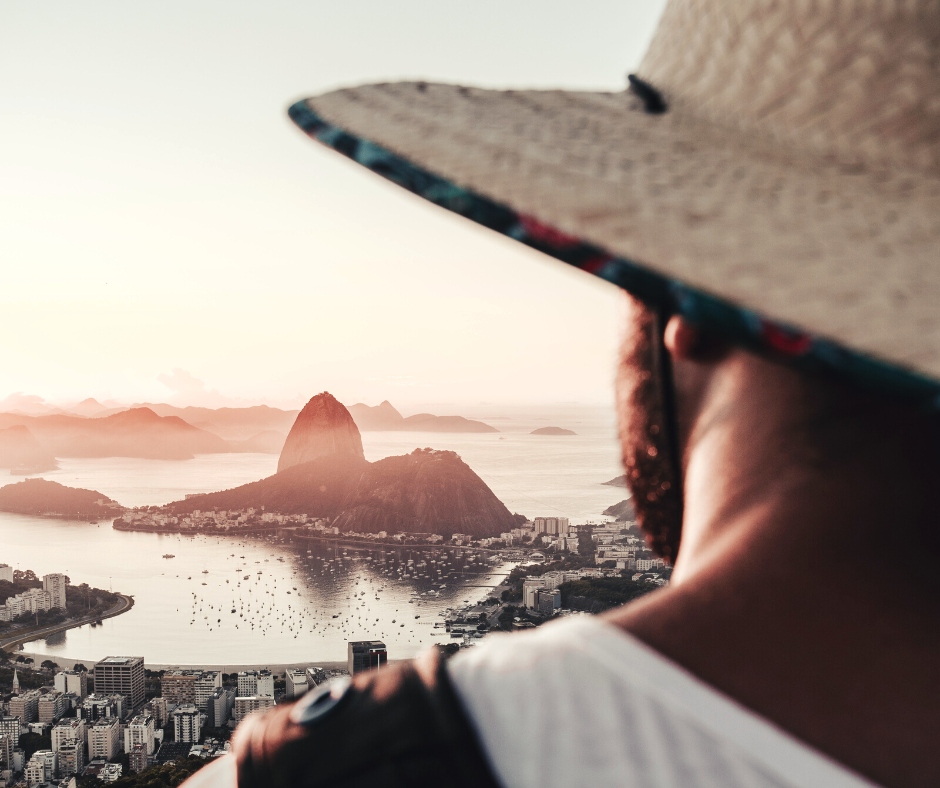
🧑🏻💻 Where to work from in Medellín
Coworking spaces
- Circular Coworking Redonda: A modern, friendly, professional coworking space with chill-out zones, an on-site café, and a lively community. Monthly prices start around COP 529,000 (about €138).
- Semilla Café Coworking: A cozy spot in the heart of Laureles combining coworking and café amenities. Monthly membership costs around COP 448,000 (about €117).
- Coworking Inspira: Located in Laureles, this community-focused working hub offers packages of 20, 50, or 100 hours per month.
- Ivy Laureles: Combines coworking with wellness and spa. Ivy Laureles also offers furnished apartments. Coworking members get 24/7 access, a kitchenette, and open or private working spaces. One month of coworking costs around COP 230,000 (about €60).
Coffee shops
- Restaurante Aula: A laptop-friendly option with a great terrace and stable wifi. Choose from delicious tapas or healthy salads.
- Matilde Coffee Market: A great venue for working or relaxing, with several power plugs and a broad choice of snacks and drinks.
🏘 Where to stay in Cali
- Granada: Cali's most upscale, walkable neighborhood, with tree-lined streets, restaurants, bars, and a strong nomad presence. Rent for a one-bedroom apartment starts at around COP 1,530,000 per month (about €400).
- San Antonio: A hilly, bohemian barrio with colonial architecture, cafés, and art galleries, popular with creatives and long-stay travelers. Rent starts around COP 1,150,000 per month (about €300).
- El Peñón: Quiet and residential, close to Granada, with easy access to the Río Cali walking path. A good option if you prefer less nightlife noise. Rent starts around COP 1,340,000 per month (about €350).
🧑🏻💻 Where to work from in Cali
Coworking spaces
- El Lab: A community-focused coworking space in Granada, popular with international remote workers.
- Épico Workspace: Modern coworking with private offices and hot desks, centrally located in Cali.
- RíoCowork: A relaxed coworking option near the river, in the Granada area.
Coffee shops
- Café Macondo: A laptop-friendly café in San Antonio known for good coffee and a calm atmosphere for working.
- Corinne Café: A cozy spot in Granada with reliable wifi, popular with both locals and expats.
🏘 Where to stay in Bogotá
- Chapinero: Bogotá's most nomad-friendly and LGBTQ+ friendly neighborhood, packed with restaurants, bars, and coworking spaces. Rent starts around COP 1,915,000 per month (about €500).
- Usaquén: A charming, colonial-feel area in the north of the city, with a well-known Sunday flea market, good restaurants, and a quieter, safer feel. Rent starts around COP 1,720,000 per month (about €450).
- Teusaquillo: A leafy, academic neighborhood near the universities, known for its Art Deco architecture and lower cost of living. Rent starts around COP 1,340,000 per month (about €350).
La Candelaria, the historic center, is great to visit but is best avoided as a place to live long term, as it sees more petty crime and isn't well set up for daily nomad life.
🧑🏻💻 Where to work from in Bogotá
Coworking spaces
- WeWork: Several locations across Bogotá, including Chapinero and the financial district, with flexible day passes and monthly memberships.
- BDC, Business District Center: An established Colombian coworking chain with multiple Bogotá locations and a strong community program.
Coffee shops
- Colo Coffee: A specialty coffee shop in Chapinero popular with remote workers for its quiet seating and strong wifi.
- Café Cultor: A laptop-friendly café known for its coffee sourcing story and relaxed working atmosphere.
🚊 How to travel around
- Bus: Overland buses are a good way to travel distances of up to about 8 hours. For anything longer, take the plane. When traveling by bus, keep warm clothing handy, as the air conditioning tends to run cold.
- Plane: Affordable domestic travel makes it easy to hop from city to city if you don't want to explore the country overland by bus. Domestic flights are cheap in Colombia.
🎖 Must see
- Casa de la Memoria: A museum that leaves you with a somber feeling, presenting deep insight into what Colombia and Medellín have been through over the past 20 years. Unique for its many interactive exhibits on the country's history. No entrance fee.
- Comuna 13: Located in the western part of Medellín, this area was once known as one of the city's most dangerous. Today it has transformed into a colorful hillside neighborhood and a tourist magnet thanks to its street art and improved safety.
- Mercado del Río: A popular food market for socializing and eating, with 24+ restaurants serving specialties from all over the world.
- Guatapé: A picturesque village about two hours outside Medellín, known for its brightly colored houses. Guatapé sits on the edge of a stunning lake, and the main attraction is climbing 740 steps up El Peñol for impressive views of the lake and surrounding area.
💡 Good to know
- Internet: Internet speed is not amazing nationwide, with an average of 51 Mbps download and 11 Mbps upload. That's a country average though. In nomad-friendly places like Medellín and Bogotá, you'll find fast internet too.
- SIM cards: Colombia has 9 or more internet service providers, and figuring out the best one can take time. Claro or Tigo are safe choices. Claro has the best coverage (2G, 3G), and Tigo has better speed (4G, LTE).
- Socket type: Type A and B.
- Digital nomad community: A thriving community of digital nomads in Medellín. The city ranks 10th on Nomadlist for Latin America and is sometimes compared to Chiang Mai in Thailand or Canggu in Bali. Medellín is known as the City of the Eternal Spring, nestled in the surrounding hills, with towering palm trees and inner-city rivers. Many digital nomads stay around El Poblado, an area with busy coworking spaces, cozy cafés, and trending restaurants. Laureles is also popular with digital nomads but is less busy and quieter.
- Cost of living: Assuming you earn more than the average Colombian, the cost of living will feel low to you. You can live well in Colombia for around COP 4,400,000 per month (about €1,150).
- Festivals: Colombia hosts a variety of colorful festivals, such as the Hay Festival in Cartagena, a literary event. Bogotá hosts the world's biggest theater festival, the Bogotá Ibero American Theater Festival, with more than 850 productions from 170 national and 100 international companies. Bogotá is also home to more than 2,200 theater academies, and hosts the Alimentarte Food Festival celebrating wine and food.
- Climate: Due to its proximity to the Equator, most of Colombia has a tropical, isothermal climate with little seasonal variation. Climate depends mainly on altitude. The Amazon area, the Magdalena Valley, and the northern Pacific coast have a tropical rainforest climate with an average temperature of 23 degrees Celsius and heavy seasonal rainfall. The Atlantic lowlands have a tropical savanna climate alternating between wet and dry seasons. Bogotá, the capital, sits 2,640 meters above sea level and is known as Tierra Fría, the cold land, with an average annual temperature of 14 degrees Celsius.
- Nature: German explorer Alexander von Humboldt was struck by Colombia's biodiversity in the early 18th century, and the government still runs a biological research center in Bogotá today. The diversity stems from Colombia's varied climate zones, topography, and soil, which allow extraordinary plants to grow. Colombian forests are home to lianas, orchids, mosses, and ferns.
- Coffee: Colombian coffee is considered among the best tasting in the world. You can visit coffee farms, for example in Parque Nacional del Café near Quindío, in the triangle formed by Medellín, Bogotá, and Cali.
- Heritage: The icon of Colombia's countryside is the Willy, a 4x4 former military vehicle now used by farmers and rural residents to transport goods. You can join in by attending a local Yipao, a jeep parade and folkloric celebration mainly held in Armenia, near Quindío.
- Orchids: Colombia is home to more than 4,000 orchid species, and more than 1,500 are found only there, making these delicate flowers the national symbol.
🚧 What to avoid
- Air pollution: Air quality is moderate, with an average AQI of 58 in recent years. PM2.5 concentration in Colombia is around 3.1 times above the WHO annual air quality guideline. Globally, Colombia ranks 59 out of 160 countries measured. Medellín has an AQI of 68, making it more polluted than the national average. Consider a face mask in polluted cities.
- Water pollution: Water quality in Colombia can be poor due to pollution. Although Colombia ranks 9th in the world for water resources, many urban citizens face chronic water stress due to droughts and floods linked to climate change. According to the World Bank, contact with water in many regions can be hazardous. It is best to only drink bottled water in Colombia.
- Crime: Safety is a real concern, and caution is needed when traveling in Colombia. The country ranks 140th out of 160 countries in the Global Peace Index. Avoid walking around neighborhoods alone at night, getting drunk in public, visiting shady areas and bars, and visiting poor areas with high rates of homelessness, crime, and gang activity. Note that the civil conflict in Colombia officially ended in 2016.
- Drugs: Scopolamine, known as Devil's Breath, has been used in drinks and cigarettes in some robbery cases, particularly in Bogotá. Always watch your drink. Take it with you to the bathroom if needed, and never accept cigarettes or drinks from strangers.
- Express kidnapping: This was mainly a problem during the civil conflict, and numbers have declined since the 2016 peace agreement with FARC. It is best to avoid traveling to remote areas outside tourist zones.
- English: Relying on English can be difficult, as Spanish is the national language and most locals don't speak English. Joining a local Spanish learning group can make daily life easier during your stay.
🚴🏻♀️ How to stay healthy
Stay active
- Outdoor activities: The list is endless. Enjoy a morning run at the beach, a kitesurfing session before sunset, long beach walks in the afternoon, or hikes and mountain bike trips on weekends. Check out gyms, yoga studios, and local Facebook sports groups.
- Learn how to dance: Dancing cumbia, salsa, or reggaetón is a fun way to stay in shape and get your cardio in, and it's also a great way to make friends with locals and other foreigners. Dancing makes you happy, improves your mood, and supports your mental health.
Eat well
- Home-cooked meals: Colombia is full of exotic fruits, vegetables, fresh seafood, and meat. Shop at the nearby local market, dust off the blender in your Airbnb kitchen, or find inspiration on YouTube. Colombia offers amazing ingredients, so make the most of them.
- Colombian cuisine: Local meals can be heavy on starchy foods, such as rice, corn, potatoes, yucca, plantains, and pasta. Many dishes are fried. Despite a common misconception, most Colombian food is savory rather than spicy. Dishes vary between mountain and coastal regions due to the diverse climate.
- App: Check out Happy Cow for vegan venues in your area.
Health risks
- Water quality: You can generally drink tap water in Colombia, but bottled water is recommended.
- Air quality: Air quality in Colombia is moderate.
⚓️ Long stay
If you intend to stay longer in Colombia, check out the following possibilities.
Digital nomad visa
- The Visa V, Nómadas Digitales, is valid for up to 2 years.
- You need to earn at least 3 times Colombia's minimum wage, which is COP 5,252,715 in 2026 (about €1,370 per month).
- Total visa fees are around COP 574,500 (about €150), comprising a study fee and an issuance fee. Some nationalities, such as those from Spain, Japan, and Korea, receive reduced or waived fees.
- If you're issued a Cédula de Extranjería, the fee is COP 294,000 (about €77).
- You need comprehensive health insurance, such as Genki Native.
- Don't need to stay that long? Visa-exempt nationals can often work remotely under a standard entry permit for up to 90 days, extendable to 180 days, without applying for a visa.
- For the full breakdown of requirements, costs, and how to apply, see Colombia digital nomad visa: requirements and how to apply.
Neville MehraSarah Kuhlemann Sarah Kuhlemann
 Sarah Kuhlemann